
Our Ambassadors
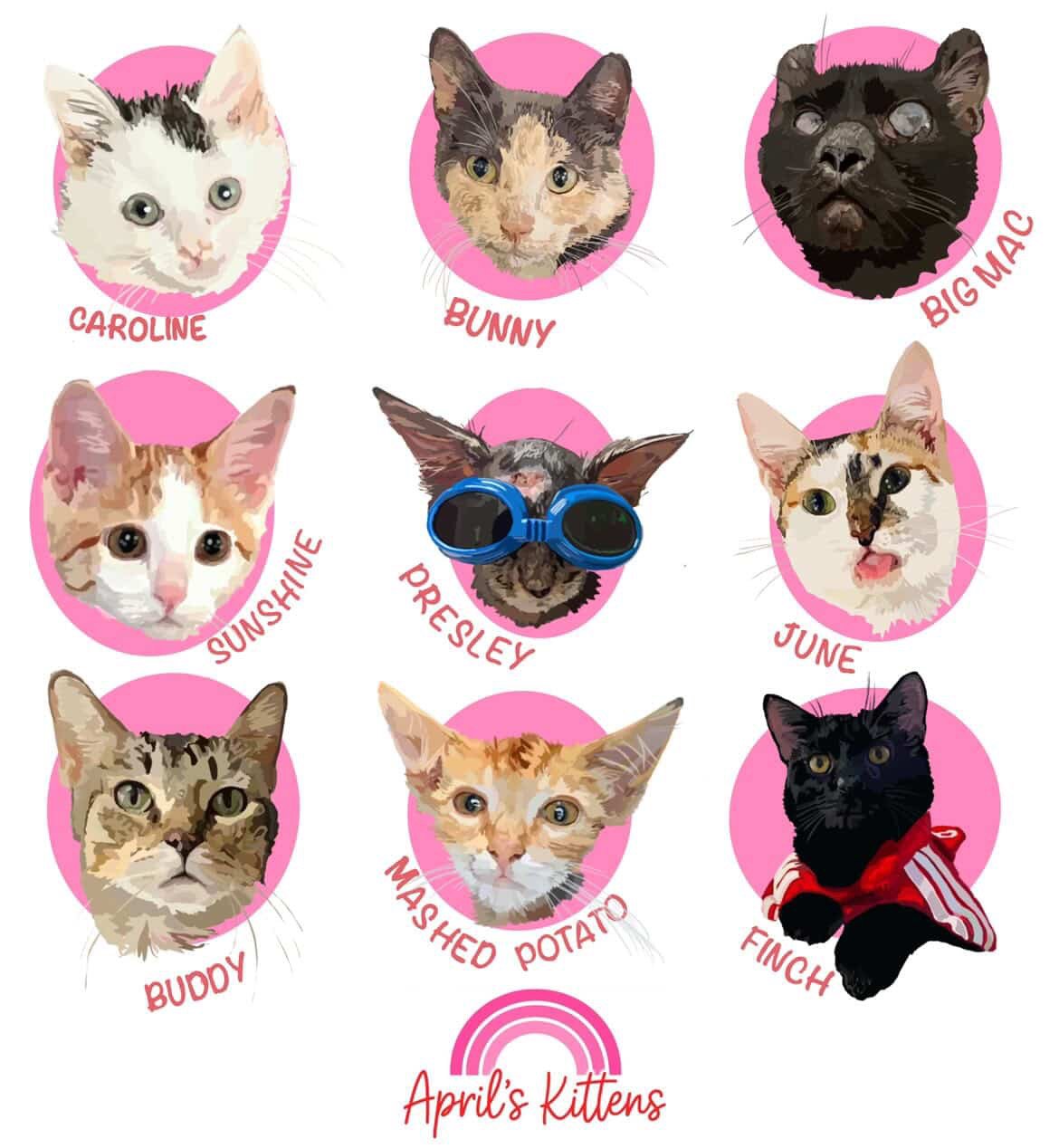
Our Ambassadors are the cats who shaped April’s Kittens into what it is today. These nine iconic fosters and cases, many of whom you have followed, loved, and cheered on, represent the heart of our mission.
Each one carries a story of resilience, healing, and second chances, and their journeys helped build the compassionate community that surrounds us. They are more than alumni - they are the spirit of April’s Kittens, and the reason we continue this lifesaving work.
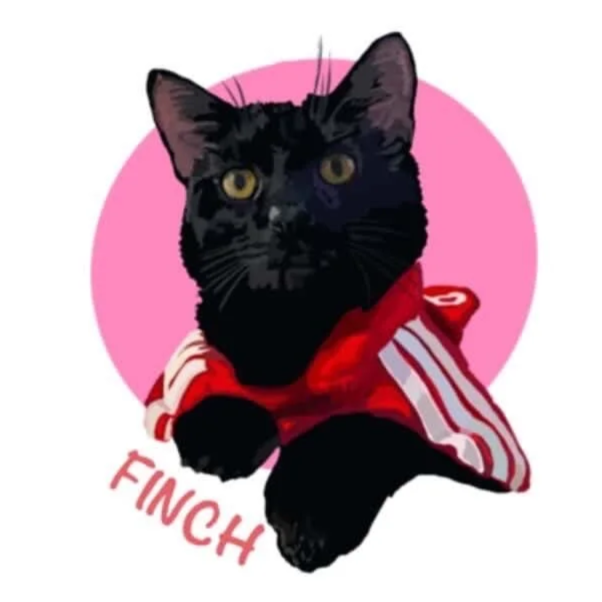
Finch was known at the shelter as the “zombie kitten.”
His skin tore easily. Wounds appeared that wouldn’t heal. Staff were baffled by his mysterious condition and knew he would be euthanized if someone didn’t step in. So we made a call - and without hesitation, he was rescued.
Finch was diagnosed with Feline Cutaneous Asthenia, a rare hereditary disorder that makes the skin abnormally elastic, fragile, and prone to tearing. His skin felt loose and delicate, and even normal grooming could cause injury. The solution? Protection. Sweaters to act as a barrier. Claw caps to prevent accidental scratching.
And just like that, Finch thrived!
His condition never dampened his spirit. He was stylish, affectionate, playful, and endlessly loving. Every morning began the same way — Finch making biscuits on his foster mom’s chest, purring with complete devotion. He loved belly rubs. He adored other cats and dogs. He basked in the sunshine on the catio like he owned the place. He was pure joy in a sweater!
Then, at just under a year old, Finch became critically ill. He stopped eating. He hid. His fever spiked. He was hospitalized for intensive care - IV antibiotics, IV fluids, round-the-clock monitoring. It was during this medical crisis that we also learned he was FeLV positive (Feline Leukemia).
The timeline suddenly changed.
Instead of a long, predictable future, we were told he might only have a few years — maybe two or three at best. But that was never going to define the quality of his life.
Supporters rallied and stepped in to cover his emergency bills while fundraising efforts helped sustain his care. Finch pulled through that hospitalization, defying the odds yet again.
For nearly two years, he lived fully. Sunbathing. Loving his dog friends. Playing gently. Making biscuits daily. His fragile skin was carefully managed, and his immune system closely monitored — but his heart remained wide open.
Almost two years to the day after his rescue, Finch developed a large, leaking cancerous mass in his chest cavity — a complication of his FeLV. On Christmas Eve 2025 surrounded by love, we said goodbye to our best buddy.
Finch was never defined by his diagnoses. He was defined by his sweetness. By his resilience. By the way he chose joy every single day.
From euthanasia list and medical mystery…
To cherished companion and unforgettable soul.
Finch represents the rare cases. The genetically fragile.
The FeLV-positive kittens who still deserve the very best years possible.
He reminded us that even when time is limited, love never is.
We love you forever, sweet Finchie.
Finch
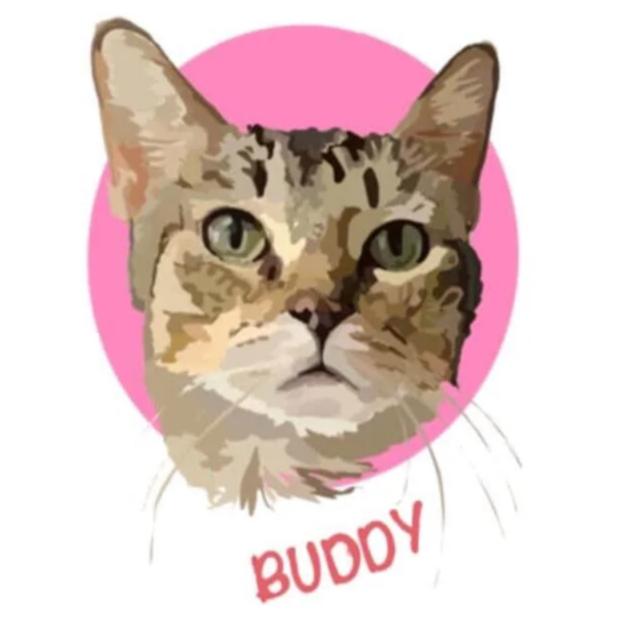
Buddy’s transformation is one of the most extreme medical turnarounds we’ve ever witnessed.
He was found barely clinging to life on the pavement of Buddy’s Car Wash on North Avenue - limp, hypothermic with a body temperature of just 94 degrees, and covered in gaping, maggot-infested wounds. His flesh was literally being eaten away. He was rushed to the emergency vet, where urgent surgery saved him that night.
But that was only the beginning.
Within days, Buddy faced a life-threatening urinary blockage - an emergency that would have led to kidney and heart failure without immediate intervention. He required hospitalization, intensive monitoring, and repeat procedures. Infections followed. Fevers spiked. There were setback after setback. His body, already traumatized, kept being pushed to its limits.
And still - he purred.
Through dozens of sutures, endless medications, hospital stays, diagnostics, and follow-ups, Buddy never stopped loving. April fostered him through every single phase - wound care, fluids, medications, rechecks - watching him go from a cat who looked like he wouldn’t survive the night to one who was head-butting for kisses.
The physical transformation alone was staggering.
From torn, necrotic tissue…
To healed skin and healthy fur.
From hypothermic and collapsing…
To bright-eyed and affectionate.
Felines of Chicago covered his emergency medical care when the bills mounted, refusing to let finances determine his fate. And when he was finally healthy enough for adoption, they also sponsored his adoption fee - ensuring nothing stood in the way of his happily ever after.
After time at CatNap from the Heart and a brief return to foster care for respite, Buddy’s perfect family found him.
Today, he is adopted. Thriving. Loved.
Buddy didn’t just “recover.”
He was rebuilt.
His story is what happens when emergency medicine, foster dedication, and community support collide in the best possible way. He represents the cats who arrive at death’s door - and walk back out because someone refused to let them go.
From pavement to permanent home.
That is the power of saying yes.
Buddy
In August 2023, he didn’t have a name.
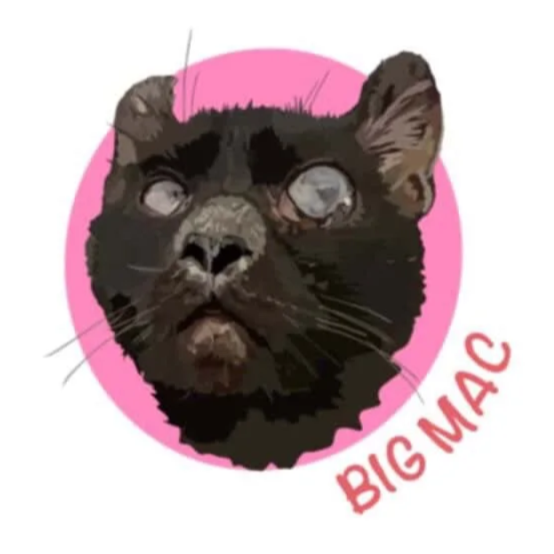
At animal control, he was simply called “Eye Guy” — a medical deadline case identified only by his recognizable white, clouded eyes. A large, blind senior cat sitting quietly in a cage, running out of time.
Estimated to be around 10–12 years old at intake (likely closer to 15 now), and nearly 30 pounds, he had clearly gone years without proper care. A painful cyst in his mouth. Severe dental disease. Infected ears. His eyes, long scarred over, were evaluated but ultimately left intact since they weren’t causing discomfort. Once he arrived, everything changed.
His cyst was removed. His teeth were treated. His ears were cleaned. The constant pain lifted, and underneath the neglected exterior was the biggest personality in the building.
He became Big Mac.
Big Mac is hilarious. Opinionated. Expressive. He communicates through gentle little “love bites,” making sure everyone knows exactly how he feels about things. He is blind, but he misses absolutely nothing. He navigates with confidence, demands attention on his terms, and fully expects to be accommodated — as he should.
Over the past year, he’s had his share of medical ups and downs, as many senior rescues do. But Big Mac has consistently come out on top, steady and unshaken.
He has also become a true fixture of April’s Kittens.
Hundreds of fosters have passed through these doors since he arrived, and Big Mac has been here for them all. Tiny kittens climb over him. Nervous newcomers settle near him. He acts as the calm, grounding presence in the room — a surprisingly patient father figure to wave after wave of babies who seem to instinctively trust him.
From nameless medical deadline to beloved cornerstone of the rescue.
Big Mac represents senior cats who still have personality, humor, and years of love to give. He reminds us that blind does not mean broken. That “old” does not mean finished.
He was once just “Eye Guy.” Now, he is family. And we love him exactly as he is.
Big Mac
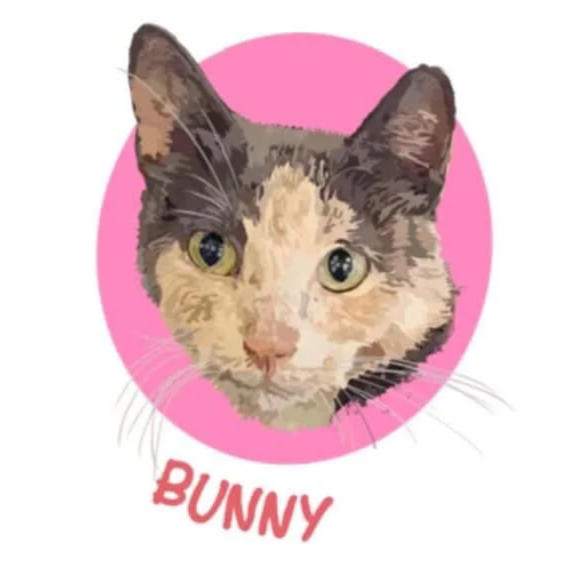
Bunny was found dragging both of her back legs across a busy Chicago street while cars drove past her.
A Good Samaritan scooped her up and rushed her to safety. She appeared pregnant — her abdomen swollen, fluid leaking — and there was immediate fear she was going into labor with a broken pelvis. If that were true, it could have been fatal.
She was taken straight to the emergency vet. X-rays revealed something both shocking and heartbreaking: Bunny was not pregnant. She had likely already given birth. The leaking fluid wasn’t labor — it was her bladder overflowing because she had lost the ability to urinate on her own.
Her pelvis was shattered in multiple places. The base of her spine was broken. Her tail was severely damaged. She was in excruciating pain.
This was the kind of case that requires immediate, expensive intervention — and the kind many strays don’t survive. But with the help of Felines of Chicago, Bunny’s case was taken on and a plan was set in motion to give her a real chance.
Orthopedic surgery was her only path forward. A plate was placed on the right side of her pelvis; the left side was stable enough to heal without hardware. Her tail amputation was completed during her spay. Thankfully, she did not require the precautionary blood transfusions that had been anticipated, which helped reduce costs and risk.
Then came the long recovery.
Her urinary catheter was eventually removed. She rested while her pelvis healed. At first, she required her bladder to be manually expressed multiple times a day. Over time, her body regained function. Today, she no longer needs daily expression, though she does live with some incontinence — a permanent reminder of what her body endured.
From dragging herself across asphalt to standing on surgically repaired hips, Bunny’s journey is a testament to resilience. What began as a devastating street emergency became a story of healing made possible by swift action, complex orthopedic surgery, and a community willing to step in when the cost felt overwhelming. She endured unimaginable pain, multiple fractures, and a long recovery — but she was never defined by what was broken.
Bunny represents the urgent street rescues — the high-stakes orthopedic emergencies that only survive because people choose to say yes. She was shattered and suffering, but she was always, unquestionably, worth saving.
Now she waits for the final chapter — a forever home where she can finally rest, safe and adored.
Bunny
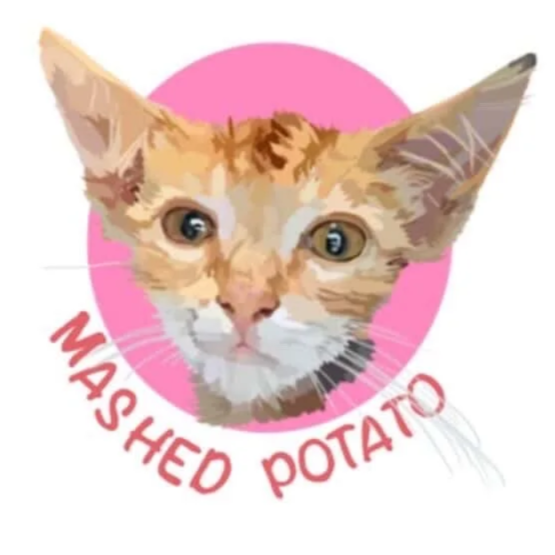
Mashed Potato was found where no kitten should ever be - in a dumpster in Kentucky.
He was covered in literal garbage. Filthy. Crying. And in excruciating pain.
Both of his back legs were broken and infected. One had already turned necrotic. He had been left there to suffer, his tiny body fighting against injuries that were far too big for him. The call came in as urgent and time-sensitive. He needed X-rays immediately. He needed a surgical plan. He needed transport to Chicago. Most of all, he needed someone to say yes.
When imaging confirmed the severity of the damage, it was clear one leg could not be saved. The infection had progressed too far. Amputation wasn’t just the best option, it was the only option to save his life. And so, before it was too late, his broken, infected leg was removed.
What happened next is why he is an Ambassador. Relief.
The pain that had consumed him lifted. The infection was gone. The little kitten who once lay helpless in a pile of trash began to move again - first cautiously, then confidently.
Mashed Potato didn’t mourn the leg he lost. He adapted. Within days, he was learning how to balance on three legs. Within weeks, he was running, playing, and full of energy. Watching him figure out his new normal - wobbly at first, then fearless - was nothing short of remarkable.
The kitten discarded like garbage became a joyful, resilient tripod.
And then, just as every rescue story should end, Mashed Potato was adopted! Today, he lives the life he was always meant to have — safe, loved, and pain-free.
Mashed Potato represents the urgent yes. The time-sensitive transport. The amputation that saves instead of takes away.
He is proof that even when something is broken beyond repair, life can still be whole. From dumpster to adored — that’s the power of not looking away.
Mashed Potato
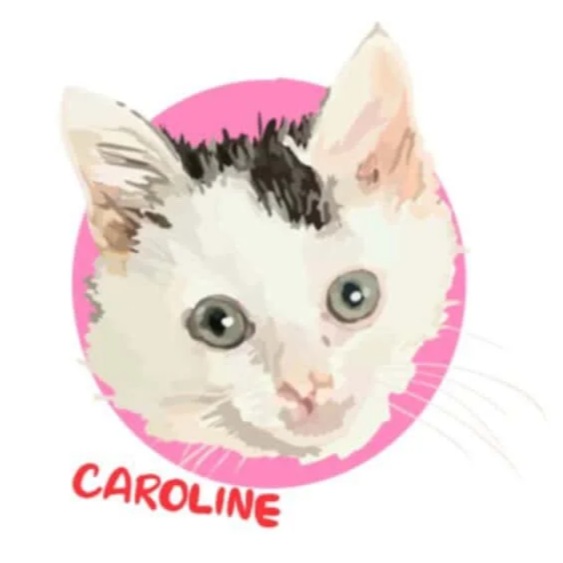
Caroline arrived completely paralyzed in her front legs.
She could not stand. She could not walk. She could barely lift her head. Pain radiated from her neck down her spine, stealing mobility from both front limbs. At first, veterinarians believed she had suffered a severe nerve pull injury. The swelling and inflammation were significant, and it was unclear whether she would ever regain function.
There was one small glimmer of hope - she still had deep pain sensation in her paws. So we waited. And we worked.
Caroline was propped carefully in blankets just the way she liked. She was syringe fed a slurry every few hours because she couldn’t eat on her own. She was rotated from side to side with every feeding to prevent sores. She received pain medication around the clock. She was bathed to remove the fleas that covered her fragile body.
As the days passed, something didn’t quite fit the nerve injury diagnosis. The tremors. The pattern. The progression. Trusting instinct, treatment for Toxoplasmosis was started immediately.
And then, slowly, Caroline began to change. Day by day, the paralysis loosened its grip. She lifted her head. She pushed up. She stood.
The kitten who once could not move her front legs began taking steps. She transitioned from syringe feeding to eating independently from a dish. The diagnosis was confirmed: Toxoplasmosis, a serious but treatable parasitic infection, not a permanent nerve injury.
She would require four consecutive weeks of medication, but for the first time, recovery felt possible.
Caroline’s story is one of patience, intuition, and refusing to accept the first answer when something doesn’t add up. She reminds us that not every paralysis is permanent. That sometimes the difference between lifelong disability and full recovery is persistence.
From motionless and trembling… To standing, stepping, and healing.
Caroline is proof that sometimes you have to look twice, dig deeper, and believe there’s still a chance. And because of her, we will always keep searching for answers - especially when hope feels small.
Caroline
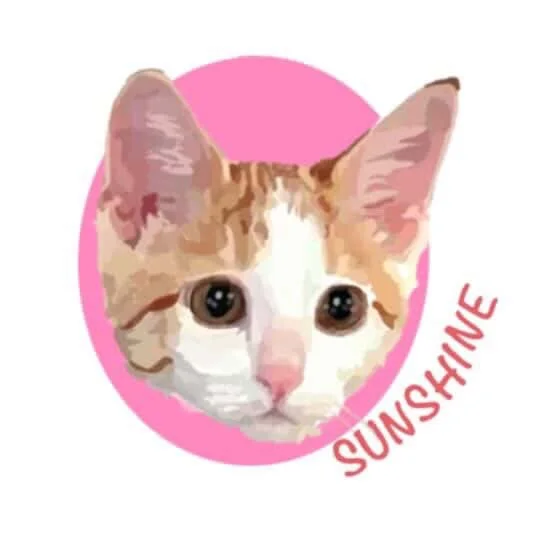
Sunshine was only a few weeks old when tetanus took over her tiny body.
By the time she arrived to us at April’s Kittens, she was completely paralyzed. She could not lift her head. She could not stand. She could not eat on her own. Every limb was stiff and locked in place. At her worst, her back legs were so rigid and contorted they curled nearly behind her head. Her chest lay flat against the ground, unable to push up.
Her entire family succumbed to the disease. Sunshine was the only survivor.
For weeks, her care was round-the-clock. Twelve straight weeks of treatment. Slow, painstaking progress. At times, it was hard to know if her little body would win the fight. Tetanus had fully overtaken her muscles, leaving her 100% paralyzed at just three weeks old.
And then, she turned a corner! First, she lifted her neck. Then she gained control of her front legs. Then, inch by inch, the paralysis began to loosen its grip.
Six weeks in, she started choosing to walk instead of scoot. Watching her push up with strength, control, and pure joy brought literal tears. After months of medication and intensive care, Sunshine came off all treatment - alive, determined, and glowing!
She does have lasting reminders of her battle. Her hind legs remain hyperextended, her knees do not bend, and she carries a gentle sway in her walk. But it does not slow her down. She runs. She plays. She chases toys. She follows her humans. She loves other cats. She cuddles like she knows every extra day is a gift.
Her story reshaped what we believed was possible. She showed that even full-body paralysis is not always the end of the story. She reminded us that miracles sometimes happen slowly — in millimeters, in muscle twitches, in the first tiny push off the ground.
And when she finally found her forever family, she carried that light with her.
Sunshine didn’t just survive tetanus, she redefined hope. She will forever be one of the brightest ambassadors of what resilience looks like at April’s Kittens!
Sunshine
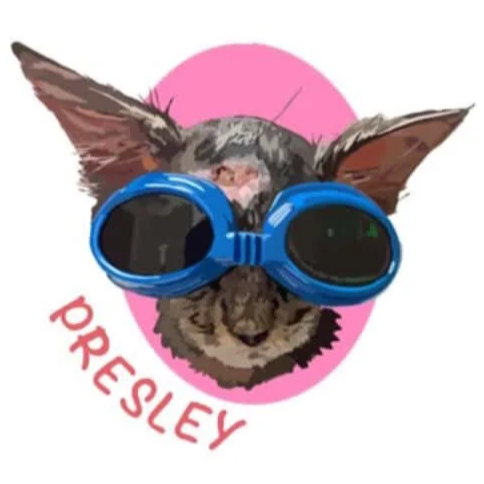
Presley arrived as a tiny tabby alongside her blind brother, just a baby with one cloudy, painful eye and one bright, curious one.
It was clear early on that her damaged eye would need to be removed. The risk of rupture was too high, and surgery was the safest path forward. What should have been a routine enucleation became the beginning of a fight for her life. Shortly after surgery, Presley developed a catastrophic infection.
It spread rapidly, aggressive and unforgiving, until nearly 80% of the skin on her face was lost. Abscessed tissue sloughed away. Bone and raw tissue were exposed. Three separate veterinary opinions brought devastating possibilities. One warned the infection may have reached her brain and recommended euthanasia. Another quoted nearly $10,000 for advanced imaging, hospitalization, and grafting. A third advised continued antibiotics at home.
But Presley was still bright. Still responsive. Still fighting. Without the ability to hospitalize her long-term, her survival depended on relentless, hands-on care. Daily chlorhexidine washes. Medicated ointments. Collagen powder. Manuka honey dressings. Careful bandaging. When an e-collar proved impossible on her fragile neck, creative solutions were used to protect her wounds.
Then came the turning point. The surgical team at VCA Aurora saw something others had not - healthy tissue beneath the trauma. They performed a debridement, sent out biopsies and cultures, and placed specialized “stay sutures” that allowed bandages to be secured directly over the exposed areas in a delicate criss-cross pattern. With strict antibiotics and meticulous daily wound care, Presley’s body began to do something remarkable - she started growing new, healthy skin.
At follow-up visits, specialists were stunned by her healing. Laser therapy was added to stimulate further regeneration. The major reconstructive flap surgery once expected may not even be necessary if her progress continues.
Through it all, Presley remained in good spirits- purring, leaning into touch, choosing life over and over again. After surviving eye removal, a flesh-eating infection, and odds that once felt insurmountable, Presley did something extraordinary: She found her forever family!
Today, she lives in Mexico with the forever family who waited patiently for her. A one-eyed warrior whose face tells a story of resilience, community, and refusing to give up when hope feels impossibly thin.
Presley reminds us that sometimes survival isn’t quiet or easy. Sometimes it looks like regrowth, like scars, like choosing to fight anyway.
And because of her, we will always look twice at the “too severe” cases, and believe healing is still possible!
Presley
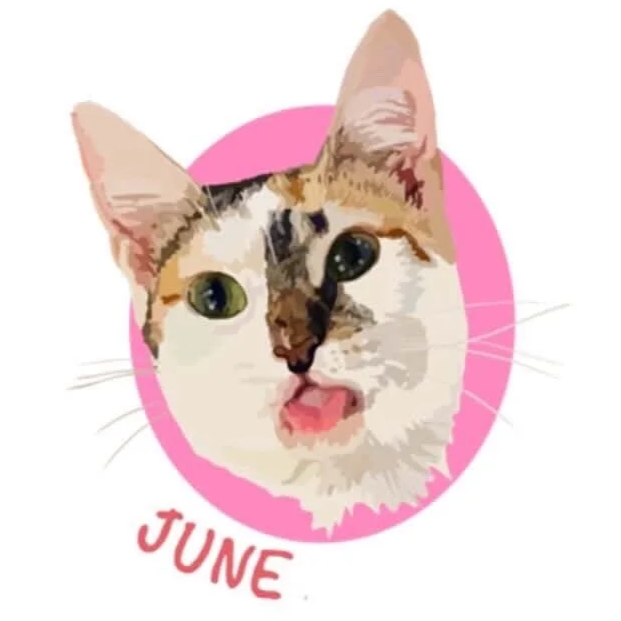
June was the first.
Rescued from Chicago Animal Care & Control alongside her mama and siblings at just a few weeks old — covered in sludge and battling ringworm — nothing in her records indicated she was special needs. It wasn’t until she began trying to walk that the truth revealed itself. June has severe Cerebellar Hypoplasia (CH), a neurological condition caused when her mother contracted panleukopenia during pregnancy. A portion of June’s cerebellum never fully developed.
June cannot walk without falling. She cannot eat, drink, or use the litterbox independently. She will never improve.
And yet, she is joy embodied.
Before June, the world of special needs animals was unknown here. She was the first CH cat case for us. The first experience with true, round-the-clock medical dependency. The first lesson in what resilience really looks like. Adjusting to life with an immobile kitten was humbling, overwhelming, and life-changing.
June didn’t just need care, she created a calling.
Because of her, dozens upon dozens (likely hundreds now!) of CH and special needs cats have since been rescued. She shifted the entire direction of our work. She opened the door to the most vulnerable cases. She turned uncertainty into purpose.
Three years later, Junebug is still here. Still adored. Still inspiring. Named after April’s beloved grandmother, she lives surrounded by friends — human and feline — experiencing the world from the safety of a carrier and the arms that hold her.
June is the reason. The beginning. The heartbeat behind so much of what April’s Kittens has become.
The world is better because of her.